How Does Phase Current Imbalance Affect Three-phase Current Transformer Measurements
In a balanced three-phase electrical system, the current flowing through each phase is generally similar in magnitude, with approximately 120 degrees of phase separation. However, actual operating conditions are not always perfectly balanced.
Phase current imbalance occurs when the current values in the three phases differ significantly. For example, one phase may carry a higher current because more single-phase equipment is connected to it, while another phase carries a lighter load.
Common causes include:
- Uneven distribution of electrical loads across three phases
- Different operating conditions of motors and industrial equipment
- Changes in production demand
- Loose connections or damaged electrical components
- Unequal loading in commercial and industrial power distribution systems
A three-phase current transformer measures the current in each phase so that meters, monitoring devices, and protection systems can obtain electrical data. When the phase currents are unbalanced, the transformer must accurately measure different current levels at the same time.
How Does Current Imbalance Affect Measurement Results?
Current imbalance does not automatically mean that a current transformer will produce inaccurate readings. A properly selected and correctly installed three-phase current transformer should measure each phase according to its specified operating range and accuracy requirements.
However, imbalance can make measurement performance more demanding in several ways.
Different Current Levels Across the Three Phases
When one phase carries a much higher current than the other two, the three transformer elements may operate at different points within their measurement ranges.
For example, one phase may operate near its rated current, while the other phases carry only a small percentage of their rated values. If the current transformer is not appropriately selected for the actual load range, measurement errors may become more noticeable on lightly loaded phases.
This is why engineers should consider both normal operating current and possible load variations when selecting a three-phase current transformer.
Greater Attention to Ratio Error
A current transformer converts primary current into a smaller secondary current according to its rated transformation ratio.
If the primary current is not evenly distributed, each phase may produce a different secondary current. The measurement system must interpret these values using the correct transformation ratio.
Ratio error can affect the difference between the actual primary current and the current calculated from the secondary output. Its impact depends on the transformer’s specifications, operating current, burden, and core characteristics.
For accurate three-phase current measurement, engineers should check whether the selected current transformer can maintain its required accuracy across the expected operating range.
Phase Angle Error and Power Measurement
Current transformers may also introduce a small phase displacement between primary and secondary currents.
This is particularly important when current measurements are used together with voltage signals to calculate active power, reactive power, power factor, and energy consumption.
In an unbalanced three-phase system, each phase has its own current magnitude and power relationship. If the current and voltage signals are incorrectly matched by phase, the calculated power values may be misleading.
Therefore, correct phase assignment and consistent measurement connections are essential when using three-phase current transformers with energy meters or power monitoring equipment.
Why Can Unbalanced Loads Make Measurement Errors More Noticeable?
A key issue is that the three phases may not operate under the same electrical conditions.
For example, consider a system in which Phase A carries a heavy load, Phase B carries a medium load, and Phase C carries a light load. The current transformer elements are then measuring different current levels rather than three similar values.
Several factors deserve attention:
- Low-current operation: When one phase carries a very small current, the transformer’s excitation characteristics and accuracy at low current levels become more relevant.
- High-current operation: A heavily loaded phase may approach the upper end of the transformer’s operating range. Engineers should verify that the selected transformer is suitable for the expected maximum current.
- Different secondary circuit conditions: Variations in wiring resistance, connection quality, and connected instrument burden can affect the measurement circuits. Excessive burden may increase current transformer errors.
- Harmonic distortion: Nonlinear loads, such as variable-frequency drives and switching power supplies, can introduce harmonic components. These may affect measurement performance depending on the transformer’s design and the measuring instrument.
The important point is that current imbalance and measurement error are not the same thing. Imbalance is a condition of the electrical system, while measurement error is related to the performance of the transformer and the complete measurement circuit.
How to Improve Measurement Reliability in Unbalanced Three-phase Systems
Accurate measurement starts with choosing a current transformer that matches the actual electrical application.
Select an Appropriate Current Ratio
The rated current ratio should be selected according to the expected operating current, not simply the maximum possible current of the equipment.
If the current ratio is too high for the normal load, some phases may operate at very low percentages of the rated current. This can make it more difficult to obtain the desired measurement accuracy.
Engineers should review normal load current, peak current, and possible operating variations before specifying a three-phase current transformer.
Check the Accuracy Class and Operating Range
The accuracy class indicates the permitted measurement error under specified conditions. However, accuracy should not be evaluated from the class designation alone.
The rated current, actual operating range, frequency, and secondary burden should also be considered. A three-phase current transformer should be selected according to the accuracy requirements of the connected metering or monitoring equipment.
Keep Secondary Circuits Consistent
The secondary wiring of each phase should be properly connected and checked. Loose terminals, incorrect wiring, and unnecessary additional burden can affect measurement results.
The total burden includes the connected meter or instrument, wiring, terminals, and other devices in the secondary circuit. Keeping the burden within the manufacturer’s specified range helps maintain the expected measurement performance.
Verify Phase Assignment
Each current transformer phase must correspond to the correct voltage phase and measuring input. Incorrect phase assignment can cause errors in power and energy calculations even when the individual current readings appear reasonable.
For three-phase energy monitoring, checking phase sequence, polarity, and current-voltage matching is an important part of commissioning.
What Should Buyers Consider When Choosing a Three-phase Current Transformer?
For manufacturers, electrical equipment suppliers, and system integrators, selecting a three-phase current transformer involves more than checking its rated current.
The following factors should be considered:
- Current ratio: Does the ratio match the expected load range?
- Accuracy class: Does it meet the requirements of the measuring or protection system?
- Phase performance: Can the transformer provide suitable measurement performance across the expected operating conditions?
- Insulation and structure: Are the insulation design and mechanical construction appropriate for the application?
- Secondary burden: Is the transformer compatible with the connected instruments and wiring?
- Manufacturing consistency: Can the supplier maintain stable specifications across production batches?
For projects requiring an integrated three-phase measurement solution, these details are particularly important because the transformer must work as part of a larger electrical system.
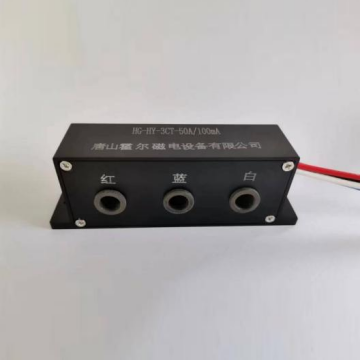
Hall Magnetics provides current transformer products for electrical measurement and power distribution applications. When evaluating an LST three-phase integrated current transformer or other customized current transformer solutions, buyers can discuss their current ratio, accuracy requirements, installation conditions, and application needs with the manufacturer before confirming specifications.
Conclusion
Phase current imbalance is a normal possibility in many industrial and commercial electrical systems. It does not necessarily cause a three-phase current transformer to measure inaccurately, but it can expose differences in operating range, ratio error, phase angle performance, and secondary circuit conditions.
To obtain reliable readings, engineers should select an appropriate current ratio, verify the accuracy requirements, control secondary burden, and ensure correct phase assignment. Choosing a suitable three-phase current transformer from a qualified manufacturer also helps support dependable electrical measurement and monitoring.
FAQs
1. Does phase current imbalance affect current transformer accuracy?
It can make accuracy requirements more demanding, especially when the three phases operate at very different current levels. However, imbalance itself does not automatically cause measurement errors. Performance depends on the transformer’s specifications and operating conditions.
2. Can a three-phase current transformer measure unbalanced loads?
Yes. A properly selected three-phase current transformer can measure different current values across the three phases. The current ratio and accuracy requirements should match the actual operating range.
3. What should be checked when three-phase current readings appear inconsistent?
Check the current transformer ratio, phase assignment, polarity, secondary wiring, connected burden, and measuring instrument settings. If necessary, compare the readings with an appropriate reference instrument.