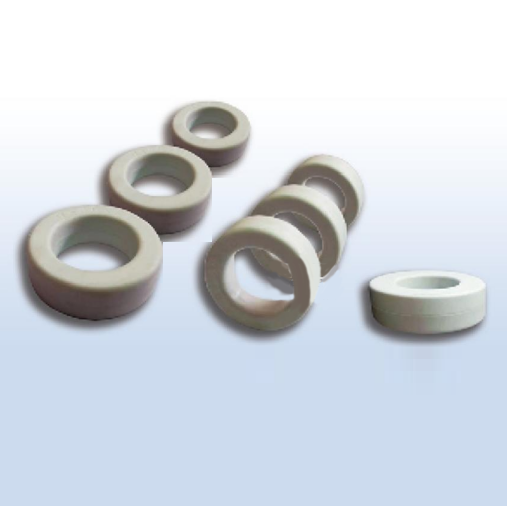
Why Is Magnetic Core Testing Important Before High-frequency Transformer Assembly

A high-frequency transformer is an important component in inverter power supplies and switching power supply systems. Its performance depends not only on winding design and assembly quality but also on the magnetic core used inside the transformer.
If a magnetic core has incorrect dimensions, inconsistent magnetic properties, or excessive core loss, these problems may affect transformer efficiency, temperature rise, and operating stability. Once the core has been assembled with windings and other components, identifying and correcting these issues can become more difficult.
This is why magnetic core testing before high-frequency transformer assembly is an important step for transformer manufacturers. Proper inspection helps verify incoming materials, reduce production risks, and maintain consistent product quality.
Verify Magnetic Core Specifications Before Assembly
The first purpose of magnetic core testing is to confirm that the delivered cores meet the approved technical specifications.
Even when magnetic cores look similar, they may differ in material grade, dimensions, magnetic characteristics, or manufacturing quality. These differences can influence how the core performs under high-frequency operating conditions.
Before assembly, manufacturers should check several basic parameters:
- Material grade: Confirm that the magnetic material matches the transformer design.
- Core dimensions: Check outer dimensions, inner dimensions, height, and cross-sectional area.
- Appearance: Look for cracks, chips, surface damage, or deformation.
- Magnetic parameters: Verify relevant properties against the agreed technical requirements.
For manufacturers sourcing a high-frequency transformer core, these checks help prevent unsuitable components from entering the production process.
Measure Core Loss to Evaluate Operating Efficiency
Core loss is one of the most important parameters in high-frequency transformer design. It represents the energy dissipated in the magnetic core during repeated magnetization and demagnetization.
Core loss generally includes hysteresis loss and eddy current loss. Both are affected by the magnetic material and operating conditions.
When core loss is higher than expected, more energy is converted into heat inside the transformer. This can increase temperature rise and make thermal design more difficult.
A high-frequency transformer core loss test helps manufacturers evaluate whether a core meets the expected loss requirements under specified test conditions.
However, test conditions matter. Frequency, magnetic flux density, and temperature should be defined when comparing results. A core loss value measured under one set of conditions should not automatically be treated as representative of every operating environment.
ASTM A1013 provides a test method for measuring high-frequency core loss in soft magnetic core components under controlled conditions. This type of standardized testing can support material evaluation and quality acceptance.
Check Permeability and Inductance Characteristics
Permeability describes how easily a magnetic material can support magnetic flux. It is an important consideration when selecting a magnetic core for a high-frequency transformer.
If the permeability differs from the design requirements, the transformer may not achieve its intended inductance or magnetizing characteristics with the specified winding configuration.
For this reason, manufacturers may use inductance measurements or other agreed magnetic tests to evaluate core performance.
For example, an inductance factor test using a specified test winding can help assess whether a core is consistent with the expected magnetic characteristics. The number of turns, test frequency, measurement voltage, and core preparation should remain controlled to make the results meaningful.
Checking magnetic core permeability and inductance before assembly helps identify material or production variations at an early stage.
Inspect Core Dimensions and Physical Quality
Magnetic performance is important, but physical quality should not be overlooked.
A high-frequency transformer core must fit correctly with its bobbin, winding structure, and assembly components. Dimensional deviations may cause fitting difficulties, uneven contact between mating surfaces, or changes in the intended magnetic circuit.
Manufacturers should pay particular attention to:
- Outer and inner dimensions
- Core height and cross-sectional area
- Mating surface condition for assembled core sets
- Air gap dimensions where applicable
- Cracks, chips, and other visible defects
For E-type, U-type, and other assembled core structures, the contact condition between mating parts deserves attention. Poor contact or an unintended gap can change the effective magnetic characteristics.
A consistent magnetic core dimensional inspection process helps reduce assembly difficulties and makes production quality easier to control.
Reduce Production Problems Through Incoming Inspection
Testing magnetic cores before transformer assembly can help identify problems before additional manufacturing costs are incurred.
Consider a production batch containing cores with inconsistent magnetic characteristics. If these components are assembled without inspection, the manufacturer may discover differences only during finished transformer testing.
At that point, the windings may already have been completed, and the products may require additional investigation, rework, or rejection.
An effective incoming inspection process can include:
- Checking material identification and supplier documentation.
- Measuring critical core dimensions.
- Inspecting the core surface and physical condition.
- Testing selected magnetic parameters.
- Comparing results with approved specifications.
- Recording inspection results for batch traceability.
Not every core requires the same testing frequency. Manufacturers can establish inspection plans based on product requirements, supplier history, production volume, and the risk associated with specific parameters.
This approach helps improve high-frequency transformer core quality control and reduces the possibility of defective components moving into later production stages.
Why Test Conditions and Batch Consistency Matter
A test result is only useful when the testing method and conditions are properly defined.
For example, magnetic properties can vary with temperature, frequency, excitation level, and mechanical conditions. Therefore, comparing two batches using different test setups may produce misleading conclusions.
Manufacturers should establish consistent procedures covering:
- Test frequency and excitation conditions
- Test winding turns and configuration
- Measurement equipment and calibration
- Ambient temperature
- Sample preparation and measurement methods
- Acceptance limits and reporting requirements
Batch consistency is particularly important for transformer manufacturers handling repeated orders. A supplier should be able to maintain agreed specifications across different production lots rather than only provide a satisfactory initial sample.
For buyers looking for a reliable high-frequency transformer core supplier, documented inspection procedures and repeatable test results are useful indicators of manufacturing quality.
Choosing a Reliable High-frequency Transformer Core Manufacturer
Selecting the right magnetic core manufacturer is an important part of maintaining transformer production quality.
Buyers should evaluate more than the quoted price. Technical support, manufacturing consistency, inspection capabilities, and the ability to meet specific design requirements also deserve attention.
Before confirming a supplier, consider the following questions:
- Can the manufacturer provide cores that match the required material and dimensions?
- Are relevant magnetic properties tested under defined conditions?
- Can the supplier support custom core shapes or dimensional requirements?
- Are inspection records available for different production batches?
- Can sample testing be completed before mass production?
Hall Magnetics provides magnetic core products for electrical and power electronics applications. For manufacturers developing inverter power supplies and high-frequency transformers, discussing material requirements, core dimensions, and magnetic performance with Hall Magnetics can help establish suitable component specifications.
Choosing a supplier with clear technical communication and consistent manufacturing processes can make incoming inspection and subsequent transformer assembly more predictable.
Conclusion
Magnetic core testing before high-frequency transformer assembly is an important part of production quality control. It helps manufacturers verify material specifications, evaluate core loss, check magnetic characteristics, and identify dimensional or physical defects before the components enter the assembly process.
A well-defined inspection plan can reduce unnecessary rework, improve batch consistency, and support more reliable transformer manufacturing.
For transformer manufacturers, the key is to match testing requirements with the actual application. By working with a qualified magnetic core supplier such as Hall Magnetics and establishing clear inspection standards, manufacturers can build a stronger quality foundation for inverter power supply and high-frequency transformer production.
FAQs
1. What tests should be performed on a high-frequency transformer core before assembly?
Common checks include material verification, dimensional inspection, visual inspection, inductance or permeability testing, and core loss measurement where required. The exact test plan depends on the core material and transformer design.
2. Why is core loss testing important for high-frequency transformers?
Core loss testing helps determine how much magnetic energy is dissipated as heat under specified operating conditions. Excessive core loss may increase transformer temperature and reduce overall efficiency.
3. How can manufacturers maintain consistent magnetic core quality?
Manufacturers can establish approved material specifications, standardize testing conditions, inspect critical dimensions, compare production batches, and maintain supplier quality records. Regular incoming inspection also helps identify variations before assembly.