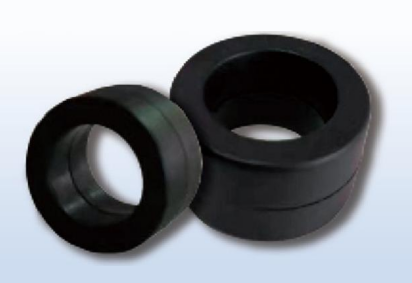
How Magnetic Core Consistency Affects Leakage Protection Switch Performance

A leakage protection switch must detect abnormal residual current and respond according to its designed protection characteristics. To do this reliably, the device depends on more than its electronic circuit. The magnetic core inside the residual current sensing transformer also plays an important role.
Even when two magnetic cores have the same nominal dimensions and material designation, differences in magnetic properties or manufacturing quality can affect their performance. For manufacturers of leakage protection switches, maintaining consistent magnetic core quality is therefore essential for reliable product development and repeatable mass production.
Understanding how magnetic core consistency affects leakage protection switch performance can help engineers improve component selection, strengthen quality control, and reduce unexpected variation between finished products.
Why Magnetic Core Consistency Matters
A typical leakage protection switch uses a residual current transformer to detect an imbalance between the currents flowing through the monitored conductors. Under normal operating conditions, the magnetic effects of the relevant conductors largely cancel each other. When a residual current occurs, the resulting magnetic flux change can generate a signal in the transformer’s secondary winding.
The sensing circuit evaluates this signal and determines whether the protection device should operate.
The magnetic core provides the path for the magnetic flux generated by the residual current. Its magnetic properties influence how the sensing transformer responds to changes in current. If the core characteristics vary significantly between production batches, the resulting transformers may not perform identically under the same test conditions.
For manufacturers, consistent magnetic cores for leakage protection switches help establish a more predictable foundation for transformer design, product calibration, and production testing.
How Magnetic Property Variations Affect Performance
Magnetic properties are among the most important factors when evaluating a magnetic core for residual current detection. Permeability, hysteresis characteristics, and saturation behavior can influence the relationship between the input magnetic field and the transformer’s output signal.
If the magnetic properties of a core differ from the intended specifications, the completed sensing transformer may produce a different output response. This can affect how the protection circuit interprets small residual current signals, depending on the overall design.
Residual magnetism is another consideration. After exposure to certain fault-current or transient conditions, a magnetic core may retain some magnetization. This can shift its operating point and affect subsequent transformer behavior. The actual impact depends on the core material, transformer design, and operating conditions.
For this reason, selecting a magnetic core for a residual current transformer should involve more than checking its material name or external appearance. Manufacturers should evaluate the magnetic parameters that matter to their particular sensing circuit and protection requirements.
Why Dimensional Tolerances and Core Geometry Matter
Magnetic performance is not determined by material properties alone. Core geometry and dimensional consistency also affect the design of a residual current sensing transformer.
Important dimensions may include the outer diameter, inner diameter, core height, and cross-sectional area. Differences in these dimensions can influence magnetic circuit characteristics, winding space, and the way the core fits into the finished leakage protection switch.
Core geometry can also influence sensitivity to conductor positioning and magnetic asymmetry. Research into residual-current sensors has identified core geometry and conductor eccentricity as factors that can contribute to false detection under certain conditions. This means dimensional accuracy should be considered alongside magnetic performance rather than treated as a separate cosmetic requirement.
For OEM manufacturers, clearly defined drawings and dimensional tolerances help ensure that a custom magnetic core for leakage protection switches fits the intended assembly and performs consistently within the complete sensing system.
How Manufacturing Variation Affects Batch Consistency
A sample that performs well during initial evaluation does not automatically guarantee that every core in a large production order will behave the same way.
Variations in raw materials, processing conditions, core forming, annealing where applicable, finishing, or handling can affect the final component. The specific risks depend on the magnetic material and manufacturing process.
If these variations are not controlled, different batches may show changes in magnetic characteristics or dimensional accuracy. Manufacturers may then need additional inspection, transformer calibration, or assembly adjustments to maintain the required product performance.
A reliable magnetic core manufacturing quality control process should therefore focus on repeatability, not simply on whether a small number of samples pass inspection. Incoming material checks, controlled production parameters, documented inspection criteria, and batch traceability can all help identify variation before it reaches the final product.
For buyers sourcing magnetic cores in bulk, asking suppliers how they control batch-to-batch consistency can provide useful insight into their manufacturing capability.
What Should Manufacturers Check During Quality Inspection?
A practical inspection plan should reflect the core’s intended application and the requirements of the complete leakage protection device. Depending on the design, manufacturers may consider the following checks:
- Dimensional inspection: Verify critical dimensions, geometry, and tolerances against approved drawings.
- Magnetic property testing: Measure relevant magnetic parameters using agreed test methods and conditions.
- Visual inspection: Check for visible cracks, deformation, surface damage, or other defects that may affect assembly or quality.
- Batch consistency review: Compare inspection results across production lots to identify unusual variation.
- Application-level validation: Test the completed sensing transformer or leakage protection switch to confirm that the core performs as intended within the actual circuit.
These checks serve different purposes. A core can meet dimensional requirements while still differing in magnetic performance, so visual inspection alone is insufficient. Similarly, testing a core separately does not replace verification of the completed transformer and protection device.
A structured magnetic core quality inspection process helps manufacturers connect incoming component quality with finished-product performance.
How to Choose a Reliable Magnetic Core Supplier
When selecting a supplier for leakage protection switch magnetic cores, buyers should evaluate more than unit price. Consistent quality, technical communication, and the ability to meet application-specific requirements are also important.
Before placing a bulk order, manufacturers should confirm:
- Whether the supplier can manufacture cores to the required dimensions and tolerances.
- Which magnetic parameters can be tested and reported.
- How production batches are inspected and identified.
- Whether sample evaluation and specification confirmation are available before mass production.
- How deviations and quality issues are documented and addressed.
Clear technical communication is particularly important for custom components. Providing drawings, target magnetic parameters, operating conditions, and acceptance criteria helps the supplier understand the application and reduces avoidable misunderstandings.
Hall Magnetics provides magnetic core products for industrial and electrical applications. When evaluating a magnetic core supplier for leakage protection switches, buyers can discuss their design requirements, dimensional specifications, and quality expectations with Hall Magnetics to determine a suitable solution for their project.
Conclusion
Magnetic core consistency is an important consideration in the performance and manufacturing quality of leakage protection switches. Variations in magnetic properties, dimensions, and production processes can influence the behavior of residual current sensing transformers and create differences between finished products.
For equipment manufacturers, the best approach is to define clear core specifications, evaluate relevant magnetic parameters, inspect dimensional accuracy, and verify performance at the transformer and device levels. Supplier quality control and batch traceability also help maintain consistency during large-volume production.
By treating magnetic core quality as part of the complete protection system, manufacturers can make more informed sourcing decisions and build a more repeatable production process.
FAQs
1. Why is magnetic core consistency important for leakage protection switches?
Consistent magnetic properties and dimensions help residual current sensing transformers respond more predictably under specified operating conditions. This supports repeatable product testing and manufacturing quality.
2. Which magnetic core parameters should manufacturers evaluate?
Depending on the design, relevant parameters may include permeability, hysteresis characteristics, saturation behavior, core dimensions, and dimensional tolerances. The final selection should match the sensing circuit and device requirements.
3. How can buyers assess a magnetic core supplier’s quality control?
Buyers can review the supplier’s inspection procedures, available magnetic test data, dimensional reports, batch traceability, sample evaluation process, and ability to meet documented specifications.