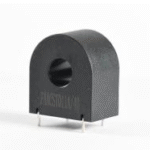
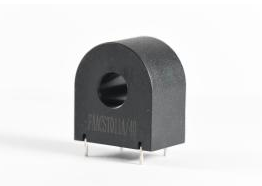
What Affects the Measurement Stability of an MJ 1-0.5 Type Current Transformer

In electrical measurement systems, a current transformer must provide stable performance under different operating conditions. Even when a current transformer is designed for a specific measurement application, changes in electrical load, installation conditions, and surrounding temperature may influence its measurement stability.
The MJ 1-0.5 Type Current Transformer is designed for current measurement applications where consistent electrical performance is important. However, choosing the right current transformer is only the first step. Engineers also need to understand the factors that may affect measurement stability during actual operation.
This article explains the main factors affecting MJ 1-0.5 Type Current Transformer measurement stability and provides practical considerations for electrical equipment manufacturers and system designers.
Magnetic Core Performance
The magnetic core is one of the most important components of a current transformer. It provides the magnetic path required to transfer the primary current signal to the secondary winding.
The core material, magnetic permeability, core structure, and operating conditions can all influence the measurement characteristics of a CT. If the magnetic core does not match the application requirements, measurement errors or unstable performance may occur under certain operating conditions.
When selecting an MJ 1-0.5 Type Current Transformer for accurate current measurement, engineers should consider whether the magnetic characteristics of the transformer are suitable for the expected current range and application.
A properly matched magnetic core helps support consistent transformer performance and contributes to the overall reliability of the measurement system.
Changes in Primary Current
The primary current is another important factor affecting current transformer stability. Electrical equipment may operate under different load conditions, causing the primary current to increase, decrease, or change frequently.
A current transformer selected for one operating range may not perform in the same way when the actual current conditions differ significantly from the original design requirements.
For this reason, the expected primary current, maximum operating current, and possible load variations should be considered before selecting an MJ 1-0.5 Type Current Transformer for electrical measurement systems.
The transformer should be matched to the intended application instead of being selected only according to its physical size or basic product name.
Secondary Load and Burden
The secondary circuit also influences current transformer performance. The connected measuring instruments, meters, wiring, and other secondary components contribute to the total burden of the transformer.
If the secondary burden exceeds the appropriate design range, the current transformer may not maintain its expected measurement characteristics.
Therefore, engineers should evaluate the complete secondary circuit when designing a current measurement system. Cable length, connection resistance, instrument requirements, and the total connected load should be considered together.
For manufacturers using an MJ 1-0.5 Type Current Transformer in electrical equipment, matching the transformer with the secondary circuit can help support more consistent measurement performance.
Operating Temperature
Temperature changes can affect the electrical and magnetic characteristics of transformer components. Equipment installed in industrial environments may experience temperature variations caused by surrounding conditions, electrical loads, ventilation, or enclosure design.
Although a current transformer is designed for a specific operating environment, it is still important to confirm that the actual temperature conditions fall within the product’s applicable range.
When evaluating MJ 1-0.5 Type Current Transformer performance under different temperatures, engineers should consider the operating environment and the requirements of the complete electrical system.
Appropriate ventilation, suitable equipment layout, and proper environmental assessment can help reduce unnecessary operating risks.
Installation and Wiring Conditions
Installation quality can also affect measurement consistency. Incorrect wiring, loose connections, unsuitable conductor positioning, or poor mechanical installation may influence the performance of a current transformer.
The primary conductor should be positioned according to the product’s design requirements. The secondary wiring should also be connected correctly and protected against loose contacts or unnecessary interference.
For an MJ 1-0.5 Type Current Transformer installation, manufacturers should follow the relevant product instructions and verify the electrical connections before putting the system into operation.
Correct installation does not replace proper product selection, but it is an important part of maintaining reliable measurement performance.
Operating Frequency
The frequency of the measured current should be considered when selecting a current transformer. Different electrical systems may operate under different frequency conditions, and transformer performance needs to match the intended application.
Frequency, magnetic core characteristics, winding design, and electrical load can interact with one another. Therefore, engineers should not evaluate measurement stability based on current level alone.
Before purchasing an MJ 1-0.5 Type Current Transformer for industrial electrical equipment, it is useful to confirm the operating frequency and other relevant electrical parameters with the supplier.
Electromagnetic Interference
The surrounding electrical environment may also influence measurement systems. High-current conductors, switching equipment, power electronics, and other electromagnetic sources can create interference in some applications.
The effect depends on the system design, installation arrangement, shielding, wiring, and distance between components.
Engineers should consider the position of the current transformer and its secondary wiring during equipment design. Separating sensitive measurement wiring from potential interference sources may help improve the overall reliability of the measurement system.
The exact solution should be determined according to the equipment structure and actual operating conditions.
Product Consistency and Manufacturing Quality
Measurement stability is also related to manufacturing consistency. Variations in magnetic core properties, winding quality, assembly, and inspection procedures may influence the performance of current transformers.
For equipment manufacturers, selecting a supplier with suitable production and quality-control capabilities is an important part of current transformer procurement.
Hall Magnetics provides magnetic core and current transformer solutions for electrical applications. For customers looking for an MJ 1-0.5 Type Current Transformer supplier, product specifications, manufacturing requirements, quality inspection, and application conditions should be discussed before confirming an order.
A clear technical communication process helps ensure that the selected current transformer is suitable for the intended system.
How to Improve MJ 1-0.5 Type Current Transformer Measurement Stability
To support stable current measurement, engineers can follow several practical steps:
- Confirm the expected primary current range.
- Match the transformer with the secondary burden requirements.
- Check the applicable operating frequency.
- Evaluate the temperature and installation environment.
- Follow the correct wiring and installation requirements.
- Consider possible electromagnetic interference.
- Select a supplier with appropriate quality-control procedures.
- Test the complete measurement system under representative operating conditions.
These steps should be considered together. Measurement stability depends on the interaction between the current transformer and the surrounding electrical system, not on one parameter alone.
Why Choose Hall Magnetics for Current Transformer Solutions?
For electrical equipment manufacturers, stable current measurement requires suitable components and clear technical matching. A current transformer must fit the electrical, mechanical, and environmental requirements of the final product.
Hall Magnetics focuses on magnetic core and current transformer solutions for electrical applications. The company can support customers evaluating current transformer requirements such as current range, product structure, operating conditions, and application needs.
When sourcing an MJ 1-0.5 Type Current Transformer for electrical equipment manufacturing, customers should communicate their technical requirements clearly and confirm product suitability before production or bulk purchasing.
Conclusion
The measurement stability of an MJ 1-0.5 Type Current Transformer can be affected by several factors, including magnetic core performance, primary current changes, secondary burden, temperature, installation quality, operating frequency, electromagnetic interference, and manufacturing consistency.
Selecting a suitable current transformer requires more than checking a product name or basic dimensions. Engineers should evaluate the complete electrical system and match the transformer to its intended operating conditions.
With appropriate product selection, correct installation, and effective technical communication, manufacturers can build more consistent and reliable current measurement systems. Hall Magnetics provides magnetic component and current transformer solutions for customers with different electrical design requirements.
FAQ
1. What factors affect the measurement stability of an MJ 1-0.5 Type Current Transformer?
The main factors include magnetic core characteristics, primary current range, secondary burden, operating temperature, installation quality, frequency, electromagnetic interference, and manufacturing consistency.
2. Can temperature changes affect current transformer measurement performance?
Yes. Temperature may influence the electrical and magnetic characteristics of transformer components. The actual operating temperature should be checked against the applicable product requirements.
3. How can I select a suitable MJ 1-0.5 Type Current Transformer?
Consider the primary current range, accuracy requirements, secondary burden, operating frequency, installation conditions, and environmental requirements. Contacting the supplier with complete technical information can help confirm product suitability.