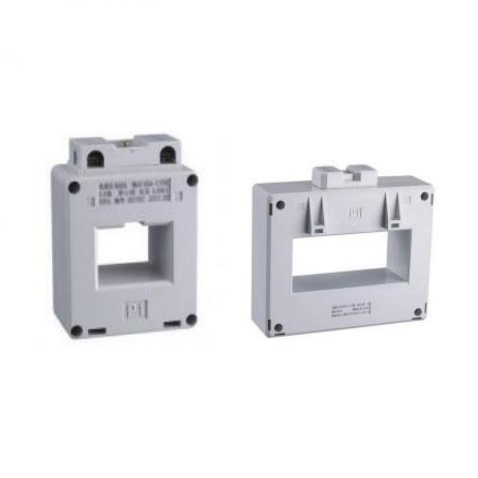
How to Choose a Three-phase Integrated Current Transformer for Your Electrical System
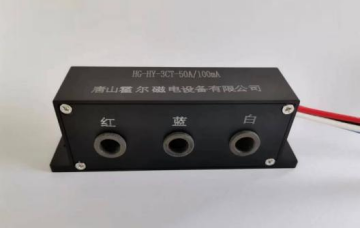
Choosing the right current transformer is important for accurate electrical measurement, equipment protection, and reliable power monitoring. In modern distribution systems, a three-phase integrated current transformer can provide a compact and practical solution for measuring current across three phases.
However, different electrical systems have different requirements. Rated current, accuracy, installation space, operating conditions, and application environment should all be considered before making a selection.
This guide explains the key factors to consider when choosing a three-phase integrated current transformer and how the right product can improve electrical system performance.
Understand the Role of a Three-phase Integrated Current Transformer
A current transformer, or CT, converts a high primary current into a smaller secondary current that can be safely measured by meters, monitoring equipment, or protection devices.
A three-phase integrated current transformer combines current measurement for three phases into an integrated structure. Compared with installing multiple individual current transformers, an integrated design can simplify equipment layout and make better use of available space.
This type of CT can be suitable for:
- Power distribution panels
- Electrical control cabinets
- Industrial power systems
- Energy monitoring equipment
- Metering systems
- Electrical measurement devices
For manufacturers and system integrators, choosing a suitable integrated three-phase current transformer can help create a more compact and organized electrical system.
Check the Rated Primary Current
The first factor to consider is the rated primary current.
Before selecting a three-phase integrated current transformer for electrical systems, determine the normal operating current and expected maximum current of the application.
For example, a CT designed for a lower current range may not be suitable for a high-current industrial distribution system.
When selecting the rated current, consider:
- Normal operating current
- Maximum expected current
- Load fluctuations
- Future system expansion
- Continuous operating conditions
Selecting a CT based only on the current used today may create limitations if the electrical system is expanded later.
Consider the Required Accuracy
Accuracy is another important factor, especially for electrical metering and energy monitoring applications.
Different systems have different accuracy requirements. A current transformer used for general monitoring may have different requirements from one used for more precise measurement.
When choosing a high-accuracy three-phase current transformer, consider the intended application and required measurement performance.
Accuracy can affect:
- Energy consumption data
- Power monitoring
- Electrical measurement
- Load analysis
- Equipment management
For applications where reliable power data is important, the CT should be selected according to the actual measurement requirements rather than simply choosing the lowest-cost option.
Evaluate the Secondary Current
The secondary output of the CT must match the requirements of the connected meter, monitoring device, or protection system.
Engineers should confirm the required secondary current before purchasing a three-phase integrated current transformer for power distribution.
A mismatch between the transformer and connected equipment can affect measurement performance and system compatibility.
Therefore, specifications should be checked carefully during the design and procurement stage.
Consider Installation Space
Space is often limited inside distribution panels and electrical cabinets.
One advantage of an integrated design is that it can help simplify the internal arrangement of electrical components.
A compact three-phase integrated current transformer may be useful when manufacturers need to optimize:
- Cabinet space
- Component arrangement
- Wiring layout
- Installation efficiency
- Overall equipment size
Before choosing a product, engineers should compare the CT’s dimensions with the available installation space.
This is particularly important when upgrading existing electrical equipment where cabinet space cannot easily be increased.
Pay Attention to Operating Conditions
Electrical equipment may operate under different environmental conditions.
When selecting a three-phase current transformer for industrial applications, consider:
- Ambient temperature
- Humidity
- Electrical load
- Continuous operating time
- Installation environment
- Mechanical conditions
For industrial equipment that operates continuously, stable performance under the expected operating environment is particularly important.
The current transformer should be matched to the actual conditions rather than selected only according to basic electrical parameters.
Consider the Mechanical and Electrical Interface
A current transformer needs to work correctly with the surrounding electrical equipment.
Engineers should check:
- Mounting method
- Primary conductor configuration
- Secondary terminal arrangement
- Insulation requirements
- Available installation clearance
- Connection method
A suitable three-phase integrated CT for distribution panels should fit both the electrical and mechanical requirements of the system.
Checking these details before purchasing can help reduce installation problems and unnecessary modifications.
Think About Long-term Reliability
For industrial and commercial electrical systems, current transformers may operate continuously for years.
Therefore, reliability should be considered alongside price.
Important factors include:
- Stable magnetic performance
- Consistent manufacturing quality
- Suitable insulation
- Reliable mechanical construction
- Quality control
- Supplier experience
Choosing a reliable three-phase integrated current transformer manufacturer can help reduce potential quality issues during long-term operation.
For OEM customers, consistency between different production batches is especially important.
Choose a Supplier That Supports Custom Requirements
Standard current transformers may not always meet the requirements of specialized electrical equipment.
Different customers may require changes to:
- Dimensions
- Rated current
- Accuracy
- Terminal configuration
- Mounting structure
- Electrical specifications
In these situations, working directly with an experienced custom three-phase current transformer manufacturer can make product development easier.
Technical communication is also important. A supplier that understands the customer’s application can help engineers evaluate whether a particular CT structure is appropriate.
Hall Magnetics: Three-phase Current Transformer Solutions
Selecting the right current transformer is not only about comparing specifications. The manufacturing quality of the magnetic core and the consistency of the finished product can also influence the performance of the complete CT.
Hall Magnetics focuses on magnetic components and current transformer solutions for electrical and power applications.
Its capabilities can support customers looking for:
- Three-phase integrated current transformers
- Miniature current transformers
- Industrial current transformer solutions
- Customized magnetic components
- OEM production
- Bulk supply
For electrical equipment manufacturers and system integrators, Hall Magnetics can provide application-oriented solutions based on different electrical and structural requirements.
By combining magnetic material expertise, manufacturing capabilities, and customization support, Hall Magnetics helps customers develop current transformer products suitable for different power measurement and monitoring applications.
How to Choose the Right Three-phase Integrated Current Transformer
Before placing an order, it is useful to review the following checklist:
| Selection Factor | What to Check |
| Primary Current | Normal and maximum operating current |
| Accuracy | Required measurement accuracy |
| Secondary Output | Compatibility with connected equipment |
| Dimensions | Available cabinet or panel space |
| Installation | Mounting and wiring requirements |
| Environment | Temperature, humidity, and operating conditions |
| Reliability | Manufacturing quality and consistency |
| Customization | Whether special dimensions or specifications are needed |
| Supplier | Technical support and production capability |
Taking these factors into account can make the selection process more efficient and help avoid compatibility issues later.
Conclusion
Choosing the right three-phase integrated current transformer requires more than simply matching the rated current.
Engineers should evaluate primary current, accuracy, secondary output, installation space, environmental conditions, mechanical structure, reliability, and customization requirements.
For compact distribution panels and modern electrical monitoring systems, an integrated three-phase design can provide a practical way to organize current measurement while making better use of available space.
With professional magnetic component manufacturing capabilities and customized solutions, Hall Magnetics can support customers looking for reliable three-phase integrated current transformers for power distribution, monitoring, measurement, and industrial electrical applications.
FAQ
1. What is a three-phase integrated current transformer?
A three-phase integrated current transformer is a CT designed to measure current across three phases within an integrated structure. It can be used in power distribution, electrical measurement, monitoring, and industrial electrical systems.
2. How do I choose the right three-phase current transformer?
Start by checking the primary current, accuracy requirement, secondary output, installation dimensions, operating environment, and connection requirements. For customized applications, it is also useful to discuss the specifications with an experienced current transformer manufacturer.
3. Can Hall Magnetics provide customized three-phase current transformers?
Yes. Hall Magnetics can support customized magnetic component and current transformer requirements, including different electrical specifications, dimensions, structural configurations, and OEM production needs.