Inside the LST Three-phase Integrated Current Transformer: Integrated Design for Accurate Three-phase Sensing
In modern power systems, accurate three-phase current measurement is essential for energy monitoring, protection, and control. Traditional solutions often rely on multiple single-phase current transformers, which increases wiring complexity and installation space.
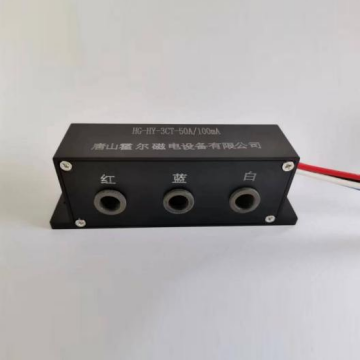
The LST Three-phase Integrated Current Transformer is designed to solve these challenges by integrating three current sensing units into a single, compact structure.
This article takes a closer look at the internal design, working principles, and real-world applications of the LST three-phase integrated current transformer, explaining why it is widely used in smart grids, inverters, and industrial power systems.
What Is an LST Three-phase Integrated Current Transformer?
An LST Three-phase Integrated Current Transformer is a current sensing device that combines three phase current transformers into one unified housing. Each phase is magnetically independent but mechanically integrated, ensuring accurate current measurement while reducing installation complexity.
Compared with conventional single-phase CTs, this integrated design offers:
- Better phase consistency
- Reduced wiring errors
- Smaller installation footprint
These advantages make LST three-phase integrated current transformers ideal for modern compact electrical systems.
Integrated Design for Stable and Accurate Measurement
The core strength of the LST transformer lies in its integrated magnetic and structural design. All three phases are manufactured using the same materials, processes, and tolerances, which significantly improves measurement consistency across phases.
Key design features include:
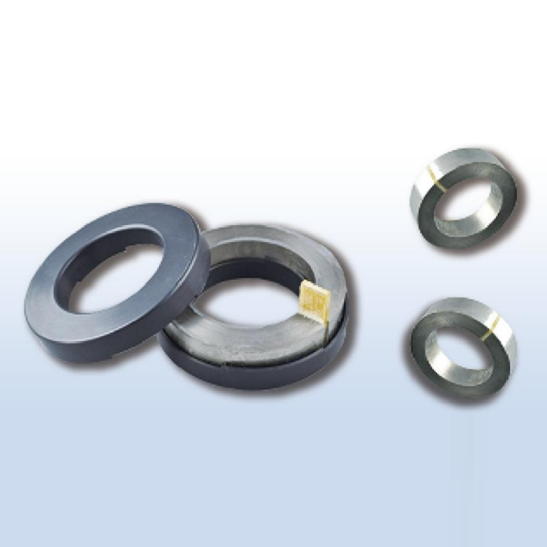
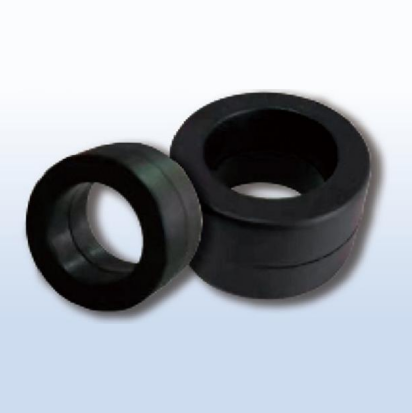
- High-quality magnetic cores with low hysteresis loss
- Precisely matched winding parameters
- Optimized insulation structure for long-term stability
This ensures that the three-phase current signals remain balanced, even under fluctuating load conditions.
Improved Phase Consistency and Signal Reliability
In three-phase power monitoring, phase imbalance can lead to inaccurate data and unreliable system control. By integrating all three current transformers into one unit, the LST design minimizes phase-to-phase deviation caused by external factors such as temperature changes and mechanical vibration.
As a result, LST three-phase integrated current transformers provide:
- Higher measurement repeatability
- More stable output signals
- Improved reliability for power analysis systems
These characteristics are especially important in energy metering and protection relays.
Applications in Modern Power Systems
Thanks to its compact structure and stable performance, the LST three-phase integrated current transformer is widely used in:
- Smart grid monitoring systems
- Inverter and UPS power supplies
- Industrial motor control cabinets
- Energy management and power quality analysis equipment
In inverter-based systems, accurate current feedback helps optimize control algorithms and improve overall energy efficiency.
Installation Advantages and System Integration
Another major advantage of the LST design is ease of installation. Instead of mounting and wiring three separate current transformers, engineers only need to install one integrated unit.
This reduces:
- Installation time
- Wiring complexity
- Potential human errors during assembly
For high-density electrical cabinets, the space-saving design of LST three-phase integrated current transformers is a clear benefit.
Conclusion
The LST Three-phase Integrated Current Transformer represents a modern approach to three-phase current sensing. Through integrated design, precise magnetic matching, and compact construction, it delivers accurate and stable current measurement while simplifying system integration.
For engineers seeking reliable three-phase current sensing in smart grids, inverters, or industrial power systems, LST three-phase integrated current transformers offer a practical and efficient solution.