What Defines Consistent Quality in Air Gap Amorphous Ring Inductor Cores
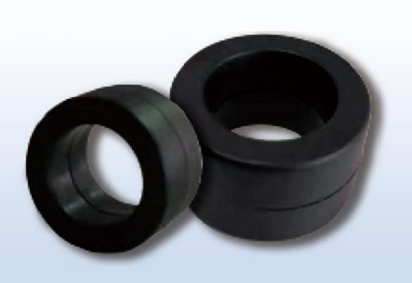
Air gap amorphous ring inductor cores are important magnetic components in power electronics and industrial electrical equipment. Their performance depends not only on the properties of the amorphous material but also on air gap accuracy, core geometry, manufacturing consistency, and quality inspection. Even small variations in these factors can affect inductance, magnetic behavior, and the performance of the finished inductor.
For manufacturers of inductors and power supply equipment, choosing a reliable air gap amorphous ring inductor core supplier is essential for maintaining product consistency across different production batches. Understanding the factors that define core quality helps engineers make better purchasing decisions and reduce unnecessary adjustments during component assembly.
This article explores the key factors that determine consistent quality in air gap amorphous ring inductor cores and explains what buyers should check before selecting a supplier.
Consistency of Amorphous Magnetic Material
The quality of the magnetic material is the starting point for a reliable inductor core. Amorphous alloys have a disordered atomic structure and can provide useful soft magnetic properties for power electronics applications. However, material variations can affect the magnetic characteristics of finished cores.
Important parameters include magnetic permeability, saturation behavior, and core loss under specified operating conditions. These properties influence how the core responds to changing magnetic fields and electrical loads.
For manufacturers purchasing amorphous magnetic cores for inductors, material consistency matters because differences between batches can lead to variations in finished component performance. Stable material sourcing, controlled processing, and appropriate magnetic testing help reduce this risk.
Buyers should review relevant material specifications and request test information that matches the intended application rather than relying only on a general material description.
Air Gap Accuracy and Tolerance Control
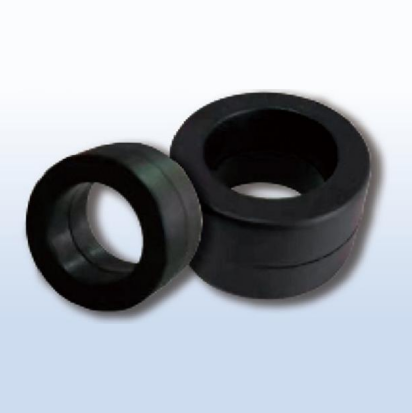
Air gap accuracy is one of the most important factors affecting the consistency of a gapped magnetic core. The air gap changes the effective magnetic reluctance of the core and influences its inductance and energy-storage behavior.
If the actual gap differs from the design target, the resulting inductance may also vary. Inconsistent gap dimensions across a production batch can make it more difficult for inductor manufacturers to achieve consistent electrical performance.
When evaluating an air gap amorphous ring inductor core with tight tolerance requirements, buyers should clarify the required gap specification, acceptable tolerance, and inspection method.
It is also important to define how the air gap is measured and controlled during production. A nominal gap value alone may not be sufficient when an application requires repeatable electrical characteristics. The gap specification should be evaluated together with the core geometry and the intended operating conditions.
Core Geometry and Dimensional Consistency
The dimensions of a magnetic core influence its magnetic path, winding space, and compatibility with the finished component. Variations in inner diameter, outer diameter, height, or other specified dimensions may affect assembly and product repeatability.
For example, a core that does not meet the required dimensions can create difficulties during winding, insulation placement, or installation inside an electrical device. Even if the magnetic material itself meets its specifications, dimensional inconsistencies may increase manufacturing adjustments and inspection time.
A reliable custom amorphous ring inductor core manufacturer should establish clear dimensional requirements before production begins. Buyers should identify critical dimensions, acceptable tolerances, and any special requirements for winding or mechanical integration.
Consistent geometry helps ensure that cores from different production batches fit the intended design without repeated modifications.
Controlled Manufacturing and Processing
Consistent quality depends on more than the raw material and final dimensions. The manufacturing process must also be controlled from one production batch to another.
Relevant controls may include material preparation, core forming, air gap processing, surface inspection, and handling during production. Uncontrolled variations can lead to dimensional differences, surface damage, or inconsistent magnetic characteristics.
For an air gap amorphous core for power inductors, manufacturing procedures should be suitable for the core design and its required performance. Process documentation and defined inspection criteria make it easier to identify deviations before products reach the customer.
Manufacturers should also manage changes to production equipment, processing parameters, and raw materials. When a change could affect product performance, its impact should be evaluated before the revised process is used for regular production.
Magnetic Performance Testing
Dimensional inspection alone cannot fully demonstrate the quality of an amorphous inductor core. Magnetic testing is also important because a core may meet its physical dimensions but still perform differently under electrical conditions.
Depending on the application, relevant tests may include inductance or inductance factor, core loss, permeability, and magnetic behavior under specified frequencies and flux densities. The appropriate test parameters depend on the core design and the customer’s requirements.
When purchasing high-quality air gap amorphous ring cores, buyers should confirm which parameters are tested, how samples are selected, and what acceptance limits apply.
Test conditions should also be clearly defined. Results obtained at different frequencies, flux densities, temperatures, or measurement configurations may not be directly comparable. Matching test conditions to the intended application provides a more useful assessment of performance.
Consistency Between Production Batches
A core that meets specifications in one batch is not enough if later deliveries show significant variation. Batch-to-batch consistency is particularly important for manufacturers producing inductors in large quantities.
Variations in material characteristics, air gap dimensions, or processing conditions can create differences in inductance and other electrical parameters. These differences may require additional testing, circuit adjustments, or changes to winding processes.
To assess consistent quality in amorphous inductor cores, buyers should ask suppliers how they maintain production records, manage material batches, and handle products that fail inspection.
Clear acceptance criteria and traceable production information can support more efficient quality management. For long-term supply relationships, regular performance reviews can also help identify recurring issues and improve communication between the supplier and customer.
Matching Quality Requirements to the Application
Not every inductor requires the same core specifications. A core used in a high-current power inductor may have different priorities from one designed for another frequency range or electrical operating condition.
Before selecting an air gap amorphous ring core, engineers should define the intended application and identify the most important performance requirements. These may include target inductance, operating frequency, DC bias current, allowable core loss, temperature conditions, and mechanical dimensions.
This information helps suppliers recommend a suitable specification and establish appropriate inspection criteria.
Hall Magnetics provides magnetic component solutions for different electrical applications. When evaluating an air gap amorphous ring inductor core from Hall Magnetics, buyers can discuss their application requirements, dimensional needs, and relevant performance targets to clarify product suitability before ordering.
A well-defined specification reduces misunderstandings and helps ensure that quality checks focus on the parameters that matter most to the finished product.
Supplier Communication and Quality Documentation
Reliable supply depends on effective communication as well as manufacturing capability. If buyers provide incomplete specifications, suppliers may interpret important requirements differently, resulting in avoidable discrepancies.
Before placing an order, buyers should confirm:
- Core dimensions and dimensional tolerances
- Air gap target and acceptable variation
- Required magnetic performance parameters
- Test conditions and acceptance criteria
- Packaging and handling requirements
- Batch identification and quality documentation
For customized products, it is useful to approve a specification sheet before mass production. Any later changes should be documented and reviewed by both parties.
When comparing an air gap amorphous ring inductor core supplier, buyers should evaluate the clarity of technical communication, the relevance of quality records, and the supplier’s ability to maintain agreed specifications over repeated orders.
Conclusion
Consistent quality in air gap amorphous ring inductor cores depends on several connected factors: stable magnetic material, accurate air gap control, consistent core dimensions, controlled manufacturing, appropriate magnetic testing, and reliable batch management.
For buyers, the most effective approach is to define application requirements clearly and verify that the supplier’s inspection methods match those requirements. Evaluating both physical specifications and magnetic performance provides a stronger basis for comparing products and maintaining consistent production.
Hall Magnetics supports customers seeking magnetic core solutions for electrical and power electronics applications. By communicating technical requirements clearly and confirming product specifications before ordering, buyers can make more informed decisions when sourcing air gap amorphous ring inductor cores.
FAQ
1. What is the most important factor in air gap amorphous ring inductor core quality?
Air gap accuracy is a major factor because variations in the gap can affect inductance and magnetic behavior. However, material consistency, core dimensions, manufacturing controls, and magnetic testing also contribute to overall product quality.
2. How can buyers check the quality of an amorphous ring inductor core?
Buyers should review dimensional inspection results, air gap tolerances, relevant magnetic test data, and batch quality records. Test conditions and acceptance criteria should be agreed upon before production.
3. Why is batch consistency important when purchasing air gap amorphous cores?
Batch consistency helps manufacturers maintain repeatable electrical performance during mass production. It can also reduce additional testing, assembly adjustments, and the risk of finished components falling outside specified requirements.