A Complete Guide to High-Frequency Transformer Core for Inverter Power Supply

In contemporary power electronics, the inverter transformer core is one of the key points for improving energy efficiency and conversion. With industries, renewable energy equipment, and consumer electronics demanding compact, highly reliable, and efficient power supplies, the use of inverter power supply high-frequency transformer cores has become increasingly important. Not only do these highly specialized products supply stable energy transfer, but they also enhance the overall performance of inverter systems.
Comprehending Inverter Transformer Cores
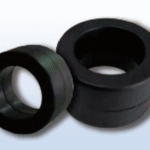
The inverter transformer core is a magnetic material employed for transmitting power from primary to secondary transformer windings in inverter-based applications. Unlike common low-frequency transformers, inverter transformer cores have been optimized to work at high switching frequencies, commonly tens or hundreds of kilohertz. Because they operate at high levels, compact power supplies can be small in size, lightweight, and highly efficient, which are significant issues in designing compact power supplies.
Why High-Frequency Transformer Cores Matter
The requirement for lightweight, compact, and efficient power conversion has caused engineers to look to the inverter power supply high-frequency transformer core. Increasing the operating frequency to minimize the size of the transformer significantly, without compromising performance. This is particularly vital in solar power, electric vehicles, and industrial control, where efficiency and space are paramount.
High-frequency cores have various advantages:
- Compact Structure – Miniature cores enable miniature power supplies, making integration with available electronic devices and renewable energy systems easy.
- Improved Efficiency – Reduced copper losses and improved core materials translate into improved energy transfer with minimized heat production.
- Increased Power Density – As magnetic components occupy less space, greater power can be packed closer in a smaller package.
- Enhanced Switching Performance in Applications – The cores enable fast switching with advanced inverter topologies support.
Material Selection for Transformer Cores
The operation of an inverter transformer core is highly dependent on the material. Ferrite and nanocrystalline alloys are widely used as materials, each with its advantages.
- Ferrite Cores: Used predominantly on a large scale for inverter power supply high-frequency transformer cores due to low loss at high frequency, economical manufacture, and simplicity of production.
- Nanocrystalline Cores: Provide even lower core loss, higher permeability, and better thermal stability, appropriate for high-level applications such as renewable energy inverters and industrial drives.
Proper selection of the material provides stable operation of the transformer, its long lifespan, and optimal performance under variable loads.
Applications of High-Frequency Transformer Cores
Extensive application of inverter power supply high-frequency transformer core systems is encountered in industries:
- Solar Inverters: Dependable conversion of solar panel DC to usable AC power is significantly dependent on transformer cores.
- Electric Vehicles: Onboard chargers and drive inverters rely on the utilization of lightweight high-frequency cores for compact and efficient power conversion.
- Industrial Equipment: Robotics, automation, and drives employ inverter-based power supplies with high-end cores to ensure stable performance.
- Consumer Electronics: From laptops to lamps, small power adapters require efficient transformer cores to fulfill energy-saving goals.
Design Considerations
It’s more than material selection; careful design goes into making an inverter transformer core. Engineers must consider the following:
- Operating Frequency: Increased frequency means the core can be lower, but material losses must be precisely managed.
- Thermal Management: Effective heat dissipation is accountable for efficiency and component lifespan.
- Magnetic Saturation: Effective design maintains the core in safe operating conditions, avoiding performance degradation.
- Shielding and Noise Reduction: Since high-frequency operation may generate electromagnetic interference (EMI), shielding is necessary.
Future of Inverter Power Supply Cores
As renewable energy, e-mobility, and IoT-based smart devices gain momentum, the demand for high-efficiency inverter power supplies with high-frequency transformer cores will be even greater. Ongoing research to develop new materials like amorphous alloys and nanocrystalline technology will continue to drive the efficiency, compactness, and performance limits.
As the power systems keep developing with the times, high-frequency transformer core for inverter power supply will also be leading the way to supply efficient and stable green energy conversion to industries.
Conclusion
The inverter transformer core is not a passive component—it’s the enabler of power electronics today. Whether in consumer electronics or in renewable energy systems, inverter power supply high-frequency transformer cores deliver the benefits of compactness, efficiency, and long-term reliability. As the future emerges, the inverter power supply high-frequency transformer core will remain the force driving the future of energy conversion, advancing performance and sustainability innovation worldwide.